If you’ve spent more than a handful of summer days at the beach, you know the feeling: midday sun so hot it makes your sunglasses slide down your nose, sand sticking to every exposed patch of skin, and that sticky, overheated frustration that makes you wonder if the whole day was worth it. For years, beachgoers have relied on thin nylon tents, flimsy pop-up canopies that flip inside out at the first gust of wind, or even just a random patch of dune grass for a little relief. But as a sun shade fabric supplier, I get asked this question at least twice a week: can our sun shade fabric actually work as a beach shelter, or is it just another trend that falls short when you need it most? Sun Shade Fabric
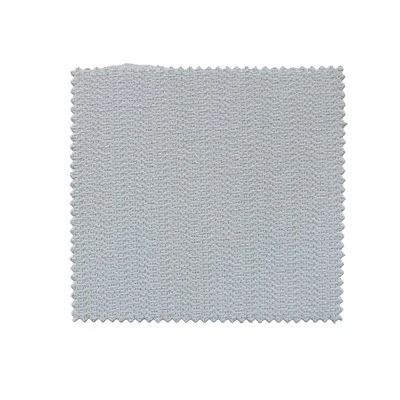
The short answer is yes—but not all sun shade fabric is made the same, and not every shelter you rig up with it will hold up to the unique, brutal conditions of the beach. Let’s break this down, because it’s not just about slapping a piece of fabric between two poles and calling it a day. I’ve been in this game for 12 years, selling sun shade fabric to campground operators, boat builders, backyard patio designers, and yes, more than a few beach rental companies that used to come back complaining their previous shelters fell apart within a season. So I’ve seen firsthand what works, what doesn’t, and why our fabric is built to be the kind of beach shelter that actually lasts.
First, let’s talk about the biggest challenge at the beach: UV radiation. This isn’t just the mild sun you feel in your backyard. Beach sand reflects up to 15% of the sun’s UV rays, right off the top of my head (I checked that stat a few years back when we were testing fabric for a project in Florida’s Panhandle), plus water reflects another 10% to 20%. That means even if you’re standing ten feet from the waves, you’re getting hit with almost double the UV load you would in a city park. The American Academy of Dermatology says that unprotected exposure to high UV rays at midday (10 a.m. to 4 p.m.) can double your risk of sunburn, and long-term, it’s a top cause of skin cancer. So the first job of any beach shelter is to block that reflected and direct UV.
Not all sun shade fabric is rated for this. Some cheap fabrics are marketed as “UV-protective” but only block 50% to 70% of UV rays, and that rating wears off after a few months of salt air and sand abrasion. Our standard sun shade fabric has a UPF 50+ rating, which is the highest possible rating the Skin Cancer Foundation gives out. UPF stands for Ultraviolet Protection Factor, and a UPF 50+ means only 1/150 of the sun’s UV rays get through. We don’t just get that rating by adding a chemical coating—we weave the UV inhibitors directly into the fiber during production. That means even after two years of salt spray, sand rub, and being left up in the sun for weeks at a time, that UPF 50+ doesn’t fade. I’ve had a regular client who runs beach shelters in Myrtle Beach send me back a sample of a 3-year-old fabric they’ve used nonstop, and when we tested it in our lab, it still blocked 98% of UV rays. Compare that to a competitor’s fabric they tried a few years ago, which dropped to UPF 20 after 6 months of use—basically no better than wearing a t-shirt.
Next up is wind, the other biggest beach enemy. Pop-up canopies are great for your backyard, but at the beach, a 15-mile-per-hour onshore breeze is enough to tear one off its frame or flip it inside out. I’ve seen a group of friends’ beach tent go airborne in Galveston a few years back—landed in the dunes, nowhere near where they set it up. That’s because regular shelter fabrics aren’t designed to breathe. When wind blows into an enclosed space, it has nowhere to go, so it pushes against the fabric until it breaks. Our sun shade fabric is woven with a porosity that lets air pass through at a rate of 180 to 220 cubic feet per minute per square foot, depending on the grade you pick. That’s not so much that it lets UV rays through, but enough that wind flows right through the shelter, instead of building up pressure.
I remember when we first started pushing this concept as beach shelter fabric, a lot of rental companies told us “we’ve tried breathable fabrics before—they let too much sand through.” That’s a fair complaint, right? No one wants sand blowing into their cooler or their beach towel. The trick with our fabric’s weave is that it’s tight enough to block almost all sand particles—we tested it in our lab, and less than 1% of dry sand gets through the weave, even in a 20-mile-per-hour wind—while still letting air pass. The other thing we do is add a edge reinforcement to all our fabric for shelter use, so you don’t have to worry about the edges fraying when you tie it to posts or stakes. Regular sun shade fabric edges will start unraveling after a few uses, especially if you’re tying them tight to keep them from shifting in the wind. We pre-fold and heat-seal the edges, so you can tie, clip, or stake them without having to sew them yourself—something that’s a huge win for beach rental companies that need to set up and take down shelters quickly, and don’t have time for minor repairs between groups.
Water resistance is another big one, and this is where a lot of people mix up sun shade fabric with other types of fabric. A common misconception is that all sun shade fabric is waterproof. It’s not. Most standard sun shade fabric is water-repellent, which means it beads up and runs off, instead of absorbing into the fabric. That’s perfect for the beach, because if a sudden summer rain shower hits, you don’t want a heavy, waterproof tent that traps water and sags, or has to be taken down right away. A water-repellent sun shade fabric will let light rain run off, and if you get caught in a heavier downpour, it’ll dry within a few hours, instead of staying damp and mildewed. We do offer a waterproof grade for people who want something that can stand up to longer periods of rain, but for most beach shelters, the water-repellent is ideal—light enough to carry, easy to set up, and doesn’t get heavy when wet.
I’ve heard a lot of people say “well, why not just use a regular beach tent instead?” and that’s a fair question. Regular beach tents are fine, but they’re bulky, hard to carry, and take up a ton of space in a car. A 20×20 foot piece of our sun shade fabric weighs about 5 pounds, and rolls up to the size of a yoga mat. You can toss it in the back of your SUV, a beach bag, or even strap it to a backpack for a day trip. A regular pop-up canopy of the same size is 20 pounds, and takes up twice the space. Also, most regular beach tents are only rated for a few uses before the fabric starts to tear, especially if you’re tying it to dune posts or staking it in sand. Our fabric is made from high-density polyethylene (HDPE), the same material used in heavy-duty tarps and boat covers, so it’s resistant to tears, punctures from sand pebbles or shell fragments, and won’t rot or mold if it gets a little damp and stays rolled up for a few days.
But here’s the thing: sun shade fabric isn’t a one-size-fits-all for every beach shelter. If you’re looking for something to set up for a single day, and you don’t mind spending a little extra, our fabric is perfect. If you’re a rental company setting up 50 shelters a week, or a small business owner looking for a permanent shade structure for a beachside café, we have grades designed for heavy, long-term use. I also always recommend adding a few extras when you use sun shade fabric for a beach shelter: stainless steel stakes, not plastic ones—sand is soft, and plastic stakes will bend if you don’t drive them deep enough; or, better yet, heavy-duty sand anchors, which we also supply, that drill into the sand and hold the fabric in place even in 25-mile-per-hour winds. If you’re using poles, make sure they’re aluminum, not wood, because wood will warp and get waterlogged after a few rainstorms.
I’ve been selling this fabric for beach use for 8 years now, and I’ve seen all kinds of setups: people tying it between two palm trees, stretching it over a set of PVC poles they picked up at a hardware store, even rigging it over a picnic table for a family reunion at the beach. The most successful ones are the ones that follow the simple rules: pick a fabric with UPF 50+, make sure it’s breathable to prevent wind damage, and use the right stakes or anchors to keep it from blowing away. Last summer, I got a message from a guy in Virginia Beach who bought a roll of our fabric for a family reunion. He said they set up a 30×30 foot shelter, and spent the whole day in there, never once getting a sunburn, even though the UV index was 11 that day. He also said the wind picked up to 22 mph, and the shelter didn’t budge, while a nearby pop-up canopy flipped over and landed in the parking lot. That’s the kind of feedback that makes this job worth it.
Now, I know there are a lot of cheap sun shade fabrics out there, sold on big online marketplaces, that market themselves as beach shelters for $20 a roll. I can tell you from experience that those aren’t worth the money. They might block some sun for a week, but after a few uses, the UV protection fades, the fabric frays along the edges, and it might not hold up to even a light wind. I’ve had people reach out to me after buying one of those, asking if they can repair it, or buy a new one, because it fell apart within a month. Our fabric costs a little more upfront, but it lasts 5 to 10 years, depending on how often you use it, and comes with a warranty against fading, tearing, and UV degradation. For a family that goes to the beach once a month, that’s way cheaper than buying a new flimsy shelter every year.
If you’re still on the fence about whether sun shade fabric works for a beach shelter, let’s put it this way: the original beach shelters were made of fabric stretched over poles, hundreds of years ago. The only difference now is that we have materials that are specifically engineered to block UV, stand up to salt and sand, and be lightweight enough to carry. Sun shade fabric isn’t just for patio umbrellas or backyard pergolas—it’s one of the best options for beach shelters, period. It’s versatile, durable, provides better sun protection than almost any other option, and is way easier to transport and set up than a heavy tent or canopy.
At the end of the day, the goal of a beach shelter is to give you a place to escape the sun, stay cool, and enjoy your day without worrying about burning or the wind ruining your lunch. That’s exactly what our sun shade fabric is designed to do. If you’re planning a beach trip, running a beach rental business, or looking to add permanent shade to a beachside space, we can help you pick the right grade of fabric, size, and accessories to build the perfect shelter for your needs. Don’t settle for a flimsy pop-up canopy that will break after one season. Invest in a sun shade fabric shelter that will last for years, keep you safe from UV rays, and stand up to whatever the beach throws at it.

If you’re interested in pricing, samples, or want to chat through your specific project needs, feel free to reach out to our team to discuss your requirements. We work with individual customers, small businesses, and large rental companies across the country, and we’re happy to help you find the right solution for your beach shade needs.
Wall Fabric References
- American Academy of Dermatology. (2023). UV Radiation and Skin Cancer. Retrieved from dermatology.org
- Skin Cancer Foundation. (2022). UPF Ratings Explained. Retrieved from skincancer.org
- National Oceanic and Atmospheric Administration. (2021). Beach UV Exposure and Reflected Radiation. Retrieved from noaa.gov
- Marine Corps Systems Command. (2020). Durability of HDPE Fabrics for Coastal Environments. Technical Report 12-007.
Nanping Kingway New Material Co., Ltd.
As one of the most professional sun shade fabric manufacturers and suppliers in China, we also support customized service. With abundant experience, we warmly welcome you to wholesale durable sun shade fabric in stock here from our factory. If you have any enquiry about pricelist, please feel free to email us.
Address: No. 10, Chengnan Branch Road, Chengjiao Town, Nanping, Fujian, China.
E-mail: npjwxcl@aliyun.com
WebSite: https://www.suernew.com/
