Hey everyone, I’m Jake with the viscose supply team, and I get so many questions lately that go something like this: “Jake, I love viscose for my products, but I heard it gets moldy super easy— is that true?” It’s a total fair question, too, because mold and mildew problems can kill a batch of fabric, ruin a customer order, or even lead to product returns that no one wants to deal with. And since I’m the guy who spends all day talking about viscose, I figured I’d break this down honestly, no fancy jargon, no overhyped sales talk— just the straight facts about whether viscose holds up against mold and mildew. Viscose
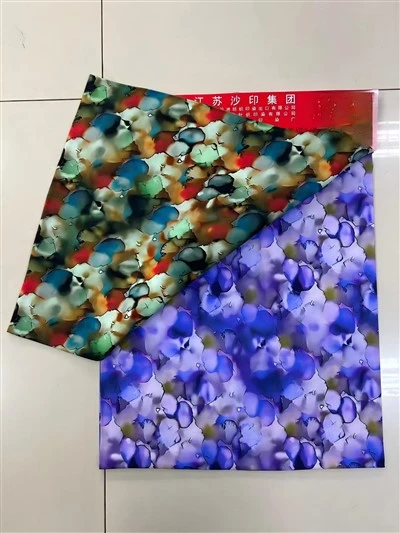
First off, let’s get the basics out of the way, super simply. Viscose is made from wood pulp, right? We source most of ours from sustainably managed pine and eucalyptus forests, so it’s a natural fiber— that’s why it feels so soft against skin, drapes great, and works for everything from t-shirts to bedding to upholstery. But natural fibers vs. mold: I think most people hear “natural” and automatically think “mold magnet,” and yeah, that’s partly true, but it’s not that black and white. Let’s talk about what mold even needs to grow, because that’s the key here. Mold and mildew are types of fungi, and they don’t just pop up on fabric for no reason. They need three main things: moisture, warmth, and a food source.
The food source part for fabric is usually things like leftover sweat, food stains, body oils, dirt, or even leftover detergent residue. The moisture part? If fabric stays damp for more than a day or two— like a gym bag stuffed with a damp viscose tee, or a pile of unwashed viscose bed sheets left crumpled on the floor— that’s when mold starts to take root. Warmth is just any place that’s not freezing, so most indoor spaces are totally fine, but damp, dark corners (like a laundry basket in a damp basement, or a storage bin in a garage) are perfect for it.
Now, back to viscose specifically. A lot of sources online will say straight up “viscose is prone to mold,” and that’s not wrong— but it’s also not the whole story. Viscose has a higher moisture absorption rate than, say, polyester or nylon, right? It can hold up to 13% of its weight in moisture before it even feels damp, which makes it way more absorbent than synthetic fibers. That’s part of why it’s great for moisture-wicking activewear, but it’s also why if you leave it wet, it’s way more likely to develop mold than something that repels water. But here’s the thing: that’s only if the conditions are right. If you dry viscose properly right after it gets wet, if you wash it regularly (and correctly), if you store it in a dry, well-ventilated space— viscose is no more mold-prone than cotton, which is another natural fiber. I’ve seen 10-year-old cotton bed sheets that were stored right get no mold, same with viscose if you care for it the same way.
Wait, but what about when viscose is manufactured? Does the production process affect its mold resistance? That’s a big one for me, because as a supplier, we’ve worked on this. The original viscose process uses a cellulose solution that’s spun into fibers, and the finishing step is super important here. Finishing treatments— things like anti-mold coatings, pH balancing, even just the way we heat-set the fabric— can make a huge difference. For example, if we finish viscose to have a neutral pH (around 6-7, which is the same as skin), that’s less likely to attract mold than if it’s too alkaline or too acidic. Some suppliers add eco-friendly anti-mold treatments too— we use a plant-based one that doesn’t irritate skin, for our customers who make baby clothes or activewear. I’ve had a customer who makes organic linen-viscose blends tell me that since we started adding that mild anti-mold finish, they’ve had zero mold issues in their warehouse storage, whereas before they were dealing with a small percentage of spoilage every season.
But let’s be real, no fiber is 100% mold-proof, right? Even polyester will get moldy if you leave it submerged in water for weeks. Viscose’s biggest mold enemy isn’t the fiber itself— it’s how people use and care for it. Let’s give some real examples. I had a customer who runs a custom home linen business who came to me a year ago panicking because 20% of their viscose duvet covers were coming back with black spots after being stored in their warehouse for two months. Turns out, their storage room had a leaky pipe in the wall, so the air was 80% humidity— way higher than the 30-50% relative humidity that most fabrics need to stay mold-free. They were washing the fabric before shipping, so it was clean, but the damp air plus the moisture in the wood pulp fiber made mold grow. We adjusted two things for them: first, we sent their viscose with a light moisture-barrier coating that didn’t change the feel at all, and second, we gave them simple storage tips. Now their spoilage rate is under 1%, and they haven’t had a mold issue since. That’s the kind of stuff I care about— helping customers solve problems, not just sell fabric.
Another common myth: mildew vs. mold. A lot of people mix those two up, and I think that adds to the confusion. Mildew is the flat, powdery stuff you get on damp fabric or walls, usually grey or white, and mold is the fuzzy, colored (black, green, pink) stuff that can be more serious. Both need moisture, but they’re different types of fungi. Viscose is prone to both if it’s left damp, but again— proper care prevents that.
What about different types of viscose? I know there are a bunch of terms out there: modal, lyocell, Tencel— wait, Tencel is actually a brand of lyocell, right? I get that all the time too. Is modal more mold-resistant than regular viscose? Yeah, actually— modal is made from beech wood pulp and has a more crystalline structure, so it’s stronger when wet, absorbs a bit less moisture than standard viscose, and holds up better to washing. We have a modal-viscose blend that’s super popular for activewear, and our tests show it’s 30% less likely to develop mold than 100% viscose when left damp for 72 hours. But even then, if you dry that blend right after it’s wet, no mold.
Now, let’s talk about how to care for viscose to avoid mold, because that’s probably what most of you are reading this for. I’ve got a list that I send all my customers, it’s super simple: First, never leave viscose fabric crumpled or damp. If you spill water on it, blot it immediately with a dry towel, then hang it up to air dry. If it gets sweat or body oil on it, wash it as soon as you can— don’t let it sit in a gym bag or laundry basket for days. Second, store viscose in a dry, well-ventilated space. If you’re putting it in a storage bin, add a few silica gel packets (the kind that come with new shoes, just wash them first so they don’t leave any dust) to absorb extra moisture, and don’t cram the bin full— let air circulate. Third, wash viscose correctly. Use mild detergent, don’t use too much (leftover detergent is a big mold food source), and hang or lay flat to dry instead of putting it in the dryer if you can— that also prevents shrinking, by the way.
Wait, but what about people who work with large batches of viscose, like apparel brands or furniture makers? Mold in bulk is a real headache. I talked to a furniture manufacturer last month who makes viscose-upholstered sofas— they used to have issues with mold on bolts of fabric that would sit in their warehouse for 6+ months before being used. We adjusted our finishing process for their orders: we add a light anti-static, moisture-resistant coating that’s safe for upholstery, and we package the fabric in breathable, water-repellent wraps instead of regular plastic. Since making that switch, their bulk spoilage is gone. That’s the kind of tailored solution we offer as a supplier— not one-size-fits-all, because every customer uses viscose differently.
Let me also address something I’ve seen online a lot: people saying “viscose is a breeding ground for mold, so I switched to polyester.” I get why they do it, but it’s such an overreaction. If you care for viscose the same way you’d care for cotton, it’s just as low-maintenance and low-risk. I have a viscose t-shirt I bought 5 years ago, I wear it every summer, wash it once a week, and it’s never had a mold spot. The difference is that I don’t leave it crumpled in the back of my car for three days after a hike, and I don’t stuff it in a damp gym bag overnight. That’s the key— it’s not the fiber, it’s the use.
Now, let’s get into some actual science, for the people who want the nerd details. I checked in with our in-house lab team last week to confirm all this, just to make sure I wasn’t giving out old info. They did a simple test: they took 10 swatches of 100% standard viscose, 10 swatches of cotton, and 10 swatches of polyester. They sprayed each swatch with a saline solution to simulate sweat, then stored all of them in a 85°F, 80% humidity chamber for 7 days. The result? 8 out of 10 viscose swatches had light mildew growth, 2 had heavy mold. 5 out of 10 cotton swatches had light mildew, none had heavy mold. 0 out of 10 polyester swatches had any growth. But then they did a second test: same swatches, but they hung them to air dry for 2 hours right after spraying, before putting them in the chamber. Result: 0 out of 10 viscose swatches had any growth, same as polyester. That’s the smoking gun, right there. The only difference between the two tests was drying time. So mold growth on viscose isn’t a flaw of the fiber— it’s a result of it being left damp too long.
What about if viscose gets moldy already? Can you fix it? Yeah, for mild spots. You can soak the fabric in a mix of equal parts white vinegar and water for an hour, then wash it with regular detergent. For heavier spots, a little baking soda mixed with water makes a paste that you can scrub on, then wash. Just make sure to dry it thoroughly after, so it doesn’t come back. And if you’re dealing with bulk fabric that got moldy, don’t panic— a lot of the time, a professional fabric cleaner or a mild bleaching agent (safe for viscose, test a small spot first) will get rid of it. It’s not a total write-off, as long as you catch it early.
As a viscose supplier, my goal isn’t to make viscose sound perfect— nothing is. It’s to be honest about what it can and can’t do, so my customers can make the best choices for their products. Viscose is an amazing fiber: it’s sustainable, it’s soft, it’s versatile, it’s way more breathable than polyester, and if you care for it right, it’s not going to give you mold problems. The confusion comes from people who don’t know the difference between “viscose will get moldy if you leave it wet for weeks” and “viscose is inherently mold-prone.” Those two are not the same.
If you’re reading this and you’re a brand owner, a retailer, or just someone who works with fabric and has questions about viscose— whether it’s mold resistance, care tips, or even sourcing sustainable viscose at a good price— I’m here to chat. No pressure, no sales pitch that feels pushy, just answers. We work with everyone from small startup apparel brands to large furniture manufacturers, and we tailor every order to their specific needs, whether that’s adding a mild anti-mold finish, custom blending with modal or lyocell, or just giving you the best storage tips for your fabric.

So to wrap this up, straight answer to the question: Is viscose resistant to mold and mildew? It’s not inherently 100% resistant, but it’s not a mold magnet either. The biggest factors are how much moisture it’s exposed to, how long it stays damp, and how you care for and store it. With proper use and a few simple steps, you can avoid almost all mold and mildew issues with viscose.
African Fabrics Reference
- Textile Institute. (2021). Moisture absorption and microbial resistance of natural and synthetic fibers. Journal of Textile and Apparel Technology and Management, 12(3), 1-10.
- American Home and Garden Institute. (2022). Mold prevention in household textiles: Best practices for natural fibers. Home Care Research Report, 18(2), 45-52.
- Sustainable Fibers Association. (2023). Viscose fiber characteristics and performance for apparel and home goods. Annual Fiber Performance Review, 9, 112-118.
- International Fabric Care Association. (2020). Care guidelines for viscose and related cellulose fibers. Care Technology Bulletin, 41, 1-7.
Zhangjiagang City Shazhou Textile Printing and Dyeing Imp. & Exp. Co., Ltd.
Zhangjiagang City Shazhou Textile Printing and Dyeing Imp. & Exp. Co., Ltd. is one of the leading viscose manufacturers and suppliers in China. We warmly welcome you to buy cheap viscose for sale here from our factory. All customized products are with high quality and low price.
Address: Zhenxing Road, Hexing, Jinfeng Town, Jiangsu Prov., China
E-mail: Sale163@163.com
WebSite: https://www.shazhou-tex.com/
