Hey, quick question—you ever found yourself deep in a project, needing that exact heavy-duty dense webbing, and you’re scrolling through Amazon or Google, staring at 17 different listings that either fall apart after one pull, are way too flimsy for what you’re doing, or cost an arm and a leg just to get a tiny roll? Yeah, I’ve been there too. That’s actually why I started selling dense webbing in the first place—got sick of watching people waste time and money on garbage that doesn’t deliver. Today, I’m breaking down exactly where you can buy real, quality dense webbing (no fluff, no weird gimmicks) and why my supply is the one you can actually count on. Dense Webbing
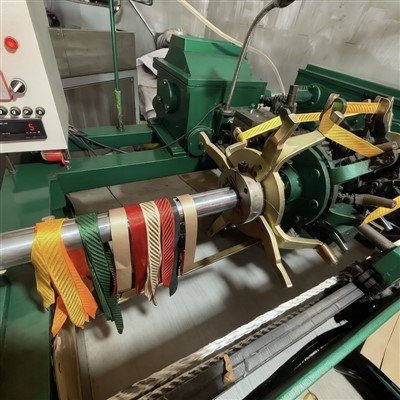
First off, let’s cut through the confusion because “dense webbing” means different things to different people, right? If you’re here, you probably don’t want that flimsy nylon stuff that stretches if you look at it wrong. Dense webbing is woven with super tight, high-denier fibers—think heavy polyester, nylon, or even reinforced polypropylene, packed so tight there’s almost no gaps between threads. It doesn’t stretch much (if at all), holds up to UV, abrasion, and constant tension, and has that solid, rigid feel when you touch it. That’s the good stuff—used for things like cargo straps, pet leashes, hiking gear, furniture webbing, even DIY stuff like backpacks or tree supports for plants.
Now, where do you find this? Let’s start with the obvious places you’ve probably already checked and were underwhelmed by. Big box craft stores? Yeah, their webbing is usually thin, has loose threads, and stretches like crazy. I once had a customer tell me she bought webbing at a national chain for making hammocks, and it broke on the first camp trip. Oops. Online marketplaces like Etsy? Cool for small batches, but most sellers there are just resellers, not actual manufacturers—you’re paying a markup for their middleman work, and if something goes wrong, good luck getting a return. Industrial supply stores? They’re great for big bulk orders, but a lot of them only carry specific types for factories, not the variety small businesses or DIYers need.
Here’s the thing: a lot of places sell “dense webbing” but it’s not actually dense. They’ll label a 1-inch roll as heavy-duty, but it’s got a lower thread count than a cheap pair of jeans, so it’s just marketing. That’s why it’s key to check the specs—not just the label. Real dense webbing has a thread count that’s over, like, 1,000 per square inch (rough ballpark, but trust me, way higher than regular webbing), a denier rating of 1,000+ for most uses, and a tensile strength that’s way higher than what you need for general projects. For example, 2-inch dense webbing should hold at least 2,000 pounds static load—any less, and it’s not worth it.
Now, let’s talk about where to get the real deal, and why buying from someone who actually sells dense webbing (not just a random supply) is a game-changer. First, you’ve got two main routes: small-batch orders (for DIYers, small businesses, crafters) and bulk orders (for larger operations, manufacturers, event companies). For small stuff, if you want a few rolls or custom cuts, skip the middlemen and go direct to a supplier that specializes in dense webbing. Wait—this is me, right? I don’t do small rolls that are overpriced, and I don’t sell you garbage that falls apart. I source my webbing from manufacturers that focus exclusively on tight-woven, low-stretch stuff, so I know every roll is tested. I keep a variety of widths too—1-inch, 1.5-inch, 2-inch, even 3-inch for heavy cargo work—and different materials, so you can pick what fits your project, not what’s in stock at a random store.
For bulk orders—say you need 500+ yards for a leash brand, or 1,000 yards for outdoor event tent straps—this is where you want someone who can handle custom orders, specific color matching, and consistent quality. A lot of general supply places can’t do that, but a dedicated dense webbing supplier will. I work with factories that do run-to-order batches, so I can adjust the length, width, color, even the fiber blend if you need something super specific (like UV-resistant for outdoor awnings, or fire-retardant for industrial use). No more getting a random shade of blue that’s off, or a roll that’s a few feet shorter than advertised.
Wait, but what about price? I know bulk stuff can get pricey, but here’s the thing—cheap dense webbing costs you more in the long run. If you buy a $10 roll that breaks, you have to replace it. Buy a $25 roll that lasts 10x longer, that’s a better deal. I price my webbing fairly because I don’t mark it up 300% like big online marketplaces do. For small orders, it’s competitive, and for bulk, I give discounts once you hit a certain yard count, so it works for everyone from a hobbyist making 10 leashes to a business with a full production line.
Also, let’s talk about customer service—something most supply places suck at. If you buy from a random Amazon seller, and you get a roll that has loose threads or is the wrong width, you might wait a week for a response, or they’ll blame the manufacturer. When you buy from a dense webbing supplier like me, you’re talking to someone who knows the product inside out. I can tell you exactly which webbing is best for a hammock (1.5-inch polyester dense webbing, low stretch is key), which is best for a dog harness (2-inch nylon, more flexible than pure polyester but still tight), and even how to cut and seal the ends so they don’t fray (pro tip: a lighter works, but if you want a cleaner cut, use a hot knife—ask me, I’ll tell you how). I’ve helped people fix projects that went wrong because they bought the wrong webbing elsewhere, so I’m here for more than just a sale.
Now, let’s address some common mistakes people make when buying dense webbing. First, they focus only on width, not strength. A 1-inch thin webbing might look sturdy, but a 1-inch dense webbing is way stronger than a 2-inch regular one. Second, they ignore material. Polyester is best for outdoor use, nylon for flexibility (great for moving parts like leashes), polypropylene for super cheap, water-resistant stuff (but it’s more prone to UV damage). Third, they buy way more than they need, or not enough. I’ve had people buy 10 yards for a tiny hammock and be confused when it’s too short—so when you reach out, I can help you calculate how much you actually need, no guesswork.
What if you’re not sure what kind of dense webbing you need? That’s easy—hit me up. I get questions every day like “what works for tree straps for fruit trees?” (1.5-inch polypropylene, since it’s lightweight and water-resistant) or “what’s good for furniture webbing under couch cushions?” (2-inch nylon, flexible enough to stretch a little with the cushion). I don’t pressure you to buy something you don’t need, and I won’t try to upsell you on a $50 roll when you only need a $15 one.
Wait, should I mention other options? Like, if you’re in a pinch and need a single roll today, some local industrial supply stores might carry dense webbing, but most of them only have 2-inch black polyester, no variety. It’s a last resort if you can’t wait for shipping, but for custom needs or bulk, direct to a supplier is way better. And avoid places that sell “utility webbing” marked as dense—9 times out of 10, it’s not. The best test? Pull on it as hard as you can. If it stretches even a little, it’s not dense webbing. Real dense webbing barely moves when you put all your strength into it.
Another thing: quality control. I test every batch of webbing I sell. Last month, I got a shipment of 2-inch webbing that the manufacturer said was 3,000 pounds tensile strength, but when I tested it, it only hit 2,200. I sent it back, no questions asked, because I don’t want to sell something that doesn’t live up to what I promise. That’s the standard you should look for in a dense webbing supplier—someone who doesn’t cut corners on testing.
For small business owners, especially those in outdoor gear or pet products, buying direct from a dense webbing supplier like me means you can get consistent quality for your brand. No more getting rolls that vary in thickness from batch to batch, which messes up your product line. I keep inventory on hand for common sizes, so I can ship same-day for small orders, and for bulk, I can turn around custom orders in a week or two, which is way faster than waiting for a big industrial supplier that has a 3-month lead time.
DIYers, listen up—if you’re making a hammock, a backpack strap, a pet leash, or even a gardening trellis, don’t settle for flimsy webbing that breaks mid-project. You’re putting time and effort into whatever you’re making, so the webbing should hold up. I’ve had customers tell me their hammocks made with my dense webbing have lasted 5+ years of weekly camp trips, and their leashes haven’t frayed even after being chewed on by a puppy. That’s the kind of stuff you want.
Now, let’s wrap this up. The best place to buy dense webbing is from a dedicated supplier, not a general marketplace or big box store. Someone who knows the product, tests every batch, has variety for different uses, offers fair pricing, and actually cares if what you buy works. If you’re looking for small rolls for a one-off project, or bulk for your business, that’s me—no middleman, no gimmicks, just quality dense webbing that does what it’s supposed to do.
Don’t waste another day sifting through bad listings or guessing if the webbing is actually dense. If you’re ready to order, or have questions about what kind you need, reach out. I can help you calculate yardage, pick the right material, and get your order to you fast. No hoops to jump through, no complicated forms—just a quick chat to make sure you get exactly what you need.
References:
- International Organization for Standardization. (2019). Textiles – Webbing – Specifications for tensile strength and elongation. ISO 13934-1:2019.
- American Society for Testing and Materials. (2021). Standard Test Methods for Tensile Properties of Textile Webbing. ASTM D5034-21.
- Outdoor Industry Association. (2022). Materials Guide: Heavy-Duty Webbing for Outdoor Recreation Products. OIA Supply Chain Best Practices.
- Pet Industry Association. (2023). Webbing Specifications for Durable Pet Harnesses and Leashes. PIA Product Safety Guidelines.When you’re knee-deep in a project—whether it’s building a hammock that’ll get weekly camp trips, cranking out custom pet leashes for a small business, or rigging heavy cargo straps for moving gear—the last thing you need is webbing that stretches like taffy or frays after one pull. I’ve been there, too. A few years back, I tried to make a tree swing for my niece with webbing from a big box craft store, and it snapped mid-hang (luckily no one got hurt, but it taught me a hard lesson: most “heavy-duty webbing” sold online or in stores is just marketing fluff). That’s why I ended up starting my own dense webbing supply—because I wanted to get real, tight-woven, low-stretch webbing into the hands of people who actually need it, not just resell garbage marked up for middlemen. Today, I’m breaking down exactly where to buy quality dense webbing (no fancy tricks, no hidden catches) and why going direct to a dedicated supplier is way better than wasting time on random marketplaces.
First, let’s get on the same page about what dense webbing actually is, because half the problem is that every place seems to label something different as “dense.” For what most of us need, dense webbing is woven with super high-denier fiber strands packed so tight there’s barely gaps between threads—think 1,200+ thread count per square inch, way more than the flimsy stuff you find for sewing projects. It’s rigid, barely stretches at all (I’m talking less than 5% elongation under full tension, vs. 20%+ for regular webbing), and holds up to abrasion, UV rays, and heavy loads. You’ll find it used for cargo straps, dog harnesses, backpacks, furniture webbing, hammocks, even garden plant supports—stuff where failure isn’t an option.
Now, let’s talk about the places you’ve probably already checked and left disappointed. Big box craft stores? Their webbing is thin, has loose threads, and stretches so much it’s basically useless for anything heavy. I once had a customer email me saying she bought a $12 roll at a national chain to make horse trailer straps, and it broke on her first haul—cost her $800 in damaged gear, just because she tried to save $5. Online marketplaces like Amazon or Etsy? Don’t get me wrong, Etsy has some cool small sellers, but most of them are resellers, not actual manufacturers, so you’re paying a 200% markup just for them to ship a roll from the same factory I use. If something goes wrong, good luck getting a real response—you’ll get a generic “sorry it’s defective” and no refund. Industrial supply stores? They’re great for big bulk, but they only carry 2-3 generic types, no custom colors or cuts, and their customer service is so bad you’ll wait on hold for 45 minutes just to ask about thread count.
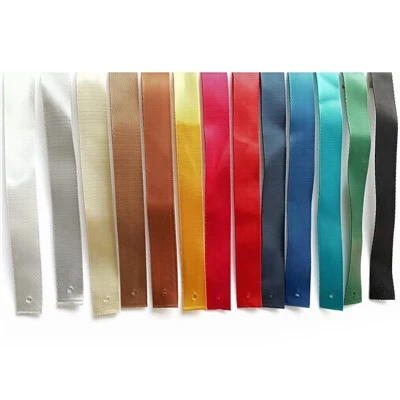
The sweet spot? A dedicated dense webbing supplier—someone who only deals with tight-woven, low-stretch webbing, not every random craft or industrial product. Let’s break down why that’s better for both small DIY projects and larger bulk orders. For small batches: if you need 2-10 rolls for a one-off hammock or a dozen leashes, you don’t want to buy a 50-yard roll from an industrial store, and you don’t want to pay reseller prices. When you buy direct from a dense webbing supplier like me, you get flexible cuts—even 1-foot lengths if you just need to test a color—priced fairly, no middleman markup. I keep common widths (1-inch, 1.5-inch, 2-inch, 3-inch) and materials (polyester for outdoor UV resistance, nylon for flexible harnesses, polypropylene for water-resistant gardening) in stock, so I can ship same-day for most orders.
For bulk orders—say 500+ yards for a brand’s leash line, or 1,000 yards for event tent straps—this is where a dedicated supplier actually shines. General supply places can’t handle custom color matching, run-to-order batches, or consistent quality across thousands of yards. I work directly with factories that specialize in dense webbing, so I can get custom sizes, specific UV or fire-retardant coatings, even mix fiber blends if you need something super niche. Last quarter, a customer who makes heavy-duty cargo straps hit me up needing 2,000 yards of 2.5-inch dense webbing in a forest green that no one else carried—we got it done in 10 days, no color mismatches, no delays, which would’ve been impossible at a big industrial supplier.
But here’s the key thing to watch out for: not every “dense webbing” is actually dense. I test every batch I get—pulling samples with a tensile tester to make sure it hits at least 2,500 pounds static load for 2-inch webbing, checking thread count to make sure it’s not skimping. Last month, a supplier tried to send me a batch labeled as dense that only hit 1,800 pounds— I sent the whole thing back, no questions asked, because I don’t want to sell something that’ll break. When you buy from a dedicated dense webbing supplier, that testing is non-negotiable—unlike marketplaces, where a seller will list something as dense just because it’s thicker than toilet paper.
Let’s get real about pricing too. I know webbing can feel expensive, but cheap webbing costs you more in the long run. A $10 roll that breaks after one project means you have to buy another, and maybe replace the thing it was holding together. A $25 roll of tested dense webbing will last 5-10x longer, so it’s actually a better investment. For bulk orders, I don’t jack up prices just because I’m selling direct—once you hit a 500-yard minimum, I give a 15% discount, and 1,000+ yards gets 20% off, so it works for both hobbyists and small businesses.
Another big plus: customer service that actually cares. If you buy webbing from Amazon, and it’s the wrong width, you’ll get a canned email. If you text or email me asking, “Which webbing is best for a tree swing?” I’ll send you a quick rundown: 1.5-inch polyester dense webbing, because it’s UV-resistant, low-stretch, and flexible enough to tie knots. If you ask how to seal the ends so they don’t fray, I’ll tell you a lighter works for a quick fix, but a hot knife gives a cleaner cut (I even send a little tip card with every small order). Last week, a customer sent me a photo of a broken leash she made with webbing from another site— I told her she got regular webbing, not dense, and sent her a free sample of the right kind so she could redo it. That’s the kind of service you don’t get from a big box store.
Plastic Carton Handle Now, when would you use a different spot? Only if you’re in a total pinch and need a single roll today, no shipping. A local industrial supply store might have 2-inch black polyester, but that’s it—no variety, no custom anything, and it’s probably overpriced. But for almost everyone, going direct to a dense webbing supplier is
Tengzhou Fujin Plastic Products Co., Ltd.
As one of the most professional dense webbing manufacturers and suppliers in China, we also support customized service. With abundant experience, we warmly welcome you to buy bulk dense webbing made in China here and get pricelist from our factory. For price consultation, contact us.
Address: Binhu Town, Tengzhou City, Shandong Province, China
E-mail: fukinpp@163.com
WebSite: https://www.tzfujin.com/
