Hey there,
If you’re reading this, odds are you either work with slurry pumps every single day (and are probably tired of unexpected breakdowns that shut down your whole operation) or you’re looking to avoid the headache all together. Let’s be real—slurry pumps aren’t like your average water pump. They’re moving gritty, abrasive, sometimes corrosive sludge (think: mining tailings, construction site muck, wastewater solids) that eats away at parts, clogs impellers, and tests every piece of equipment you’ve got. Slurry Pump

I’ve been in the slurry pump game for over a decade, and let me tell you: I’ve seen it all. I’ve had clients call me at 2 a.m. because their pump died mid-shift at a quarry, costing them thousands in downtime. I’ve also worked with guys who run their pumps for years without major issues, just because they stuck to a consistent maintenance routine. It’s not rocket science, but it’s not “set it and forget it” either. Today, I’m spilling exactly what works for my team and our clients—no fancy jargon, just straight-up actionable stuff that actually keeps your pumps running.
First off, let’s get one thing straight: maintenance isn’t just about fixing things after they break. It’s about catching small problems before they turn into big, expensive messes. That starts with pre-start checks—yes, even if you’re in a hurry to fire up the pump. I know, I know, shift changes are chaotic, but skipping these takes 5 minutes tops and saves you hours of headaches.
Here’s what you should check every time before you hit the start button:
- Pressure and Seal Flush Water: Most slurry pumps need seal water to keep the mechanical seal from burning out. If that flow is too low or too dirty, your seal will go in days, not weeks. I’ve had clients skip this and go through 3 seals in a month—total waste of cash. Pro tip: Keep a flow meter sticker near the valve so you don’t have to guess; aim for the manufacturer’s recommended rate (usually 1-2 gpm for most mid-sized pumps).
- Vibration Levels: I carry a cheap vibration pen in my toolbox, and you should too. If it’s reading higher than normal, that’s a red flag. Too much vibration means something’s off—misalignment, worn bearings, maybe even a loose impeller. Don’t ignore that; it’s your pump’s way of telling you it’s not happy.
- Lubrication: Bearings need grease or oil, depending on your pump model. Too little and they seize up; too much and they overheat. I use a grease gun that clicks when it’s full, so I don’t over-grease. And change the oil regularly—even if it looks fine. Sludge can seep into the bearing housing and contaminate the oil, turning it into a grinding paste.
- Inlet and Outlet Lines: Quick scan here—make sure there’s no debris blocking the suction side (clogs are the #1 cause of pump failures for new operators) and that all bolts on the flanges are tight. Loose lines can cause leaks that spray slurry everywhere, and that’s a safety hazard no one needs.
Once you’ve got the pre-start checks out of the way, the next big thing is a scheduled maintenance routine—split into daily, weekly, and monthly tasks. This is what separates the guys who work on pumps every week from those who only call for help when it’s dead.
Daily stuff takes 10 minutes at the end of your shift:
- Wipe down the pump and motor: Slurry dries hard, and if you let it cake on, it’s harder to spot leaks or wear later. A quick wipe-down also helps you notice any weird drips or smells.
- Listen to the pump while it’s running: Don’t just ignore the noise. A healthy pump has a steady, low hum. If you hear grinding, rattling, or squealing, that’s something. Grinding could be the impeller hitting the volute, rattling might be loose parts, squealing is usually seal trouble. I’ve caught so many seal issues just by listening—way before they turned into a full failure.
Weekly, block off 30 minutes to do deeper checks:
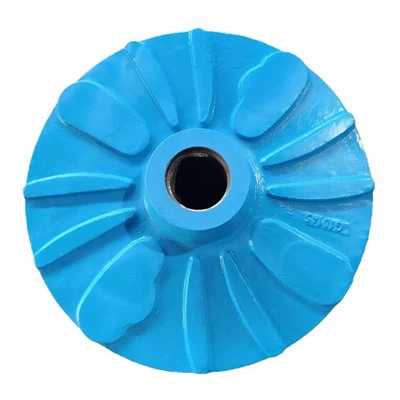
- Inspect the impeller and volute: You don’t have to pull the whole pump out every week—just loosen the back plate and peek in. Look for wear, cracks, or buildup on the impeller. Even a little buildup can throw off the balance and cause vibration.
- Check alignment: Over time, pumps shift a bit, especially if they’re on a base that’s not perfectly level. Misalignment is a killer—it wears out bearings and seals fast. A quick alignment check with a dial indicator takes 15 minutes, and it’s worth every second.
- Tighten any loose bolts: Vibration works bolts loose, so go around and tighten all flange bolts, motor mounts, and bearing housing bolts. Don’t overtighten either—you’ll strip threads or crack parts.
Monthly, set aside an hour for more in-depth work:
- Grease bearings properly: Like I said earlier, don’t overdo it. Most pumps need grease every 500 hours, but check your manual—some are different. Old grease can trap moisture and dirt, so if it’s been a while, flush the bearing housing with fresh grease instead of just adding more.
- Test the pressure relief valve: Slurry pumps generate a lot of pressure, and if the relief valve is stuck closed, that can blow a line or damage the pump. Push the test lever a little (don’t force it!) to make sure it opens and closes smoothly.
- Inspect the foundation and base plate: Make sure the pump is secured tight to the base, and that the base itself isn’t shifting or rusted. A wobbly base is a recipe for misalignment and vibration over time.
Now, let’s talk about the big one: replacing worn parts. Impellers, seals, and bearings will wear out—there’s no way around it. But how you replace them makes a huge difference. I see too many guys just swap out parts without checking why they wore out in the first place. If your impeller is wearing fast, is it because the slurry is extra abrasive? Or because you’re running the pump at the wrong speed? Or maybe the seal flush water is dirty, causing the seal to fail and let slurry get into the bearing? Don’t just replace the part—fix the root cause, or you’ll be doing this again next month.
One trick I preach to all our clients: keep a spare parts kit on hand. The last thing you want when a pump breaks is to wait 3 days for a new impeller. A basic kit should include a mechanical seal, impeller gaskets, a set of bearings, and a few flange bolts. It’s a small investment that saves you thousands in downtime. And make sure the parts are high-quality—don’t go for cheap no-name parts just to save a buck. I’ve seen cheap impellers crack after a week, while our premium ones last 6 months. You get what you pay for, period.
Also, let’s address a common mistake: running the pump at the wrong speed. Slurry pumps have a sweet spot—run them too fast, and you’ll wear out parts in no time. Run them too slow, and they can clog, which can cause the motor to overheat and burn out. Check your pump’s curve to find the optimal flow and speed for your application. If you’re not sure, just ask your supplier (hey, that’s us!)—we’ll help you figure it out.
Wait, I should also mention safety here. Slurry is messy, and the parts you’re working with are heavy and sharp. Always lock out/tag out the pump before doing any maintenance. Wear gloves, safety glasses, and steel-toe boots. Don’t try to lift heavy parts alone—get a buddy or use a hoist. I’ve seen too many guys get hurt because they skipped safety steps, and it’s just not worth it.
Here’s the thing: I don’t care if you’re running a small construction site with one pump or a mine with 50 of them. The maintenance routine is the same—it’s just how consistently you stick to it. I have a client in West Virginia who’s been using our pumps for 7 years. They do daily checks, weekly scans, and monthly maintenance, and they’ve only had one unplanned breakdown in that time. Another client, same size, skipped most checks, and they go through 2 pumps a year. It’s night and day.
If you’re struggling with your slurry pump—whether it’s frequent breakdowns, high part costs, or just not running like it should—don’t guess. Our team has been in the field fixing pumps and advising operators for years. We know exactly what works for different applications, from mining to wastewater to construction. We don’t push the most expensive parts; we help you find what fits your needs and budget, because at the end of the day, your success is our success.
If you’re tired of spending too much time and money fixing your slurry pump, hit us up to talk. We can go over your setup, help you build a custom maintenance plan, and make sure your pumps run as long and smoothly as possible. No sales pitch, no pressure—just straight talk from guys who know slurry pumps inside and out.
Let’s keep those pumps running, shall we?
Sand Pump References
- Slurry Pump Maintenance Best Practices – Industrial Pump Manufacturers Association, 2022
- Field Guide to Slurry Pump Operation and Maintenance – Mining Engineering Society, 2021
- Seal Performance in Abrasive Slurry Applications – Fluid Sealing Association, 2020
Shijiazhuang Ruite Pump Co., Ltd.
Shijiazhuang Ruite Pump Co., Ltd. is one of the most experienced slurry pump manufacturers and suppliers in China. Please rest assured to wholesale high quality slurry pump made in China here from our factory. For price consultation, contact us.
Address: Majuan village, Nandong town, Gaocheng, Shijiazhuang, China
E-mail: info@ruitepump.com
WebSite: https://www.rtslurrypump.com/
