Hey there, If you’ve ever worked with process control valves, you’ve definitely come across Scotch yoke actuators—they’re the workhorses that open and close those big industrial valves in pipelines, refineries, power plants, and all kinds of harsh sites. As someone who’s been supplying these actuators for over 12 years, I get tons of questions from maintenance teams and plant engineers: “How often do I need to replace the lubricant?” It’s not a one-size-fits-all answer, and skipping this step? That’s a quick way to end up with a valve stuck open or closed, a downtime headache (or worse, a safety hazard). Let’s break this down like we would in a shop, no boring jargon, just real talk from someone who sees this every week. Scotch Yoke Actuator
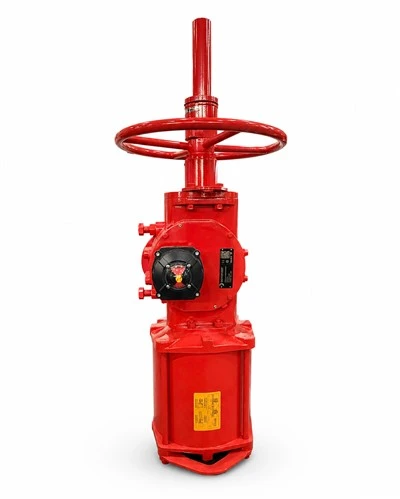
First, let’s get on the same page about what a Scotch yoke actuator does—real quick, no tech class. Unlike some actuators that use gears or levers, these ones use a yoke that slides back and forth on a crank, pushed by pneumatic or hydraulic pressure. That sliding contact needs proper lubrication to keep it smooth, stop metal-on-metal wear, and keep pressure transfers consistent. Skimp on the lube, and you’ll get wear in the yoke grooves, crank pin, or seals fast. That leads to sluggish valve moves, air or fluid leaks, or even actuator failure mid-cycle. We’ve even seen a plant shut down a 24/7 natural gas line because their actuator seized over a weekend—they skipped a lube change, and it cost way more than a few tubes of good lube. So, yeah, this matters.
Now, the million-dollar question: how often? The short answer is: it depends. But let’s not leave you hanging. Here’s the real breakdown, based on what we see in our service requests and industry data, split into different factors that change the timeline.
First, the biggest variable: operating environment. If your actuator is in a clean, temperature-controlled indoor facility (like a well-maintained power plant control room annex, or a food processing plant that keeps dust and moisture out), you’re in good shape. But if it’s outside, in a refinery where there’s corrosive chemicals, high humidity, or lots of dust, dirt, and even salt if it’s coastal? That’s a harsh environment. We usually recommend checking lubricant levels and quality every 3 months here, and doing a full lubricant replacement every 6 to 12 months. Why? Contaminants seep past seals, break down the lube fast, and cause friction spikes. We had a water treatment client a few years ago with actuators on sewage lines—super humid, lots of airborne particulates—they thought a yearly change was enough, but after 8 months their yoke was so worn it needed a $1,200 repair. We got them on a 9-month schedule, and that problem went away.
Next, load and usage. How much is your actuator working? If it’s on a valve that only moves a few times a day (like a shut-off valve that’s only activated during maintenance), it’s low-usage. You can stretch that to every 12 to 24 months, as long as you check it regularly. But if it’s on a throttling valve that moves dozens or even hundreds of times a day—like a flow control valve for a chemical processing unit that adjusts constantly—that’s high-duty cycle. The friction builds up way faster here, and the lube gets sheared (broken down) from all that repeated movement. For high-duty actuators, we push a replacement every 6 to 12 months, sometimes even every 4 if it’s 24/7 operation in a tight spot. A mining client of ours has actuators on ore slurry lines that move every 10 minutes, 24/7. We originally recommended 10-month changes, but after their first year, their maintenance team found the lube was turning black and gritty at 7 months. Now they do every 8, and their actuator lifespan went up 30%. That’s a real example—no made-up numbers.
Then there’s the type of lubricant you use. This is a big one, because some people grab the cheapest grease off the shelf and wonder why it breaks down fast. We only supply actuators with certified, heavy-duty lubricants—usually lithium complex or polyurea-based, with anti-wear and corrosion inhibitors. These are formulated specifically for Scotch yoke actuators, not general-purpose grease. If you use the wrong lube, even a strict schedule won’t help. For example, we had a client who used general-purpose automotive grease on their actuators to save a few bucks. The lube sheared in 3 months, their yoke started squealing, and they had to replace three actuators in 6 months. Switched to our recommended actuator-specific grease, and their lube schedule went to yearly, no issues. So do yourself a favor: use the lube we (or any reputable actuator supplier) recommends, don’t cut corners here.
Wait, also—new vs. used actuators. If you’ve got a brand-new actuator straight from our shop, it’s pre-lubricated at the factory, but that initial lube is just for break-in. It’s not meant to last forever. We tell all our new customers to do their first full lube replacement after the first 100 cycles OR 3 months, whichever comes first. The break-in period produces tiny metal shavings that get mixed in with the factory lube—those shavings act like sandpaper, so changing it early keeps your actuator from wearing down before it even hits full stride. A lot of new operators miss this step, and wonder why their new actuator starts having issues after 6 months. It’s the break-in debris. For used actuators, always do a check first—if the old lube is gritty, discolored, or smells burnt, change it immediately, no matter how long it’s been.
Now, how do you actually check if your lube needs replacing, instead of just going by a clock? That’s way more reliable than a generic schedule, and we teach all our customers this. First, do a visual check: open the actuator’s inspection port (most have them for this) and take a look at the lube. If it’s dark, gritty, or has visible particles (dirt, metal shavings), it’s time to change. Then, smell it—if it has a burnt or acidic odor, that means the lube has broken down from heat or friction. Also, check the consistency: if it’s runny (like oil) when it should be thick, or hard and caked, it’s no good. We always tell customers to keep a lube sample jar—every time you check, scoop a little out and compare it to a fresh sample from the same type. If it looks way different, replace it. Another quick test: rub a little between your fingers. If you feel any grit or sand, it’s contaminated. That’s way better than guessing based on time.
Also, don’t forget about seals. Old seals can let moisture or dirt in, which ruins lube. Every time you replace lubricant, take 2 minutes to check the seals on the actuator—if they’re cracked, worn, or leaking, replace them at the same time. We often see customers skip seal replacement when changing lube, and then the new lube gets contaminated within a month. It’s a $20 part that saves you $1,000 in actuator repairs—worth it.
Wait, what about extreme temperatures? If your site is in a desert where it’s 120°F (49°C) in the summer, or Arctic where it’s -20°F (-29°C) in the winter, that changes things too. High heat breaks down lube fast, low heat makes it too thick to flow properly. For high temp environments, we recommend more frequent lube changes—every 4 to 8 months, depending on how hot it gets. For cold, make sure you’re using lube rated for low temps, and check it more often to make sure it’s not too thick to lubricate the yoke. We had a client in Alberta, Canada, where winter temps hit -30°F—their original lube was too thick, so their actuator wouldn’t move when it got cold. Switched to cold-rated lube, and they adjusted their check schedule to every 2 months in winter, which fixed the issue. No more stuck valves when it’s freezing outside.
Let’s recap this to make it simple, so you don’t have to scroll back:
- New actuators: First lube change after 100 cycles or 3 months, whichever comes first.
- Clean, low-usage, moderate temp: Every 12 to 24 months (always check in between)
- Moderate environment, average usage: Every 9 to 12 months
- Harsh environment, high usage, extreme temps: Every 4 to 8 months
But again, the best rule is to check your lube at every planned maintenance stop—don’t just follow a schedule to the letter. If your lube looks good, you can wait a little longer. If it looks bad, change it early, no questions.
Now, why does this matter to YOU? If you’re a plant manager or maintenance lead, downtime costs you way more than lube or labor. We’ve had customers tell us that unplanned downtime for a single actuator can cost $10,000 an hour, depending on the process. A $50 tube of lube and 2 hours of maintenance every 6 months is way cheaper than that. Also, proper lubrication extends the life of your actuator by years—we’ve got actuators that are 15 years old, still running perfectly, because they stuck to a good lube schedule.
Wait, a quick common mistake we see: over-lubricating. Some people think more is better, so they stuff the actuator with grease. That’s a bad call—too much lube builds up heat, attracts more contaminants, and can cause the yoke to stick from excess grease. Follow the fill level mark on the actuator, and only add or replace as needed. Don’t just squeeze grease in until it oozes out. That’s a quick way to create more problems.
Another mistake: mixing lubricant types. If you’ve been using a lithium complex grease, don’t switch to a polyurea grease without cleaning the actuator first. Mixing different types can cause the lube to break down, get gritty, and stop working. Always clean the old lube out completely when replacing, and use the recommended type.

At the end of the day, the sweet spot for Scotch yoke actuator lubricant replacement is a balance of the right schedule, checking condition regularly, using the right lube, and accounting for your specific operating conditions. There’s no universal number that works for every site, but if you apply the tips we’ve talked about—consider your environment, usage, lube type, and do those quick visual checks—you’ll avoid most actuator issues.
Hydraulic Actuator If you’re not sure what schedule is right for your actuators, or you need the correct lubricant for your specific model, we’re here to help. We supply Scotch yoke actuators for all kinds of industrial applications, and our team has years of experience matching the right maintenance plan to your site’s needs. Don’t wait for a stuck valve to learn this lesson—reach out, and we can walk you through exactly what you need for your equipment.
References
- ISA-75.13.01-2015, Specification for Actuators and Control Valves – General Considerations for Actuator Selection and Application
- Parker Hannifin, Industrial Actuator Maintenance Guidelines: Scotch Yoke Design
- Fluid Power Society, Lubrication Practices for Pneumatic and Hydraulic Actuation Systems, 2021
Zhejiang Bigtork Valve Automation Co., Ltd.
Zhejiang Bigtork Valve Automation Co., Ltd. is one of the leading scotch yoke actuator manufacturers and suppliers in China. We warmly welcome you to buy customized scotch yoke actuator at competitive price from our factory. Contact us for more details.
Address: 98 Yuanqu Avenue,Anfeng Industrial Zone,Oubei,Yongjia,Zhejiang,China.
E-mail: sales@bigtork.com
WebSite: https://www.bigtork.com/
