When it comes to the logistics and storage of various bulk materials, Type A FIBC bags have long been a trusted choice for many industries. As a supplier deeply involved in the production and distribution of Type A FIBC bags, I’ve witnessed firsthand the importance of their durability in ensuring smooth operations for our clients. In this blog post, I’ll share some insights on how to improve the durability of Type A FIBC bags based on our years of experience and industry knowledge. Type A Fibc Bags
Understanding Type A FIBC Bags
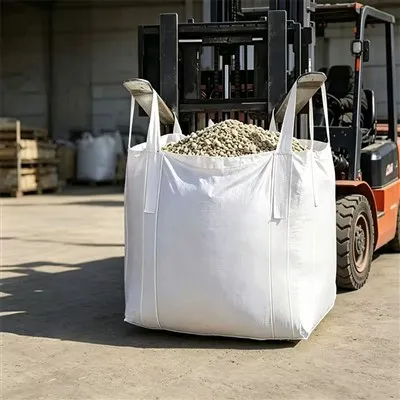
Before delving into the ways to improve their durability, let’s first understand what Type A FIBC bags are. Type A FIBCs are the most basic type of flexible intermediate bulk containers. They are typically made from woven polypropylene fabric and are designed for general-purpose use in storing and transporting non – hazardous dry powders, granules, and other bulk materials. These bags are not designed to protect against electrostatic hazards, as they do not have any special anti – static properties. However, they are widely used due to their cost – effectiveness and versatility.
Material Selection
The foundation of a durable Type A FIBC bag lies in the quality of the materials used. Polypropylene is the most common material for these bags, but not all polypropylene is created equal.
- High – Quality Polypropylene Resin: We source the highest – grade polypropylene resin for our bags. High – quality resin has better mechanical properties, including higher tensile strength and abrasion resistance. A bag made from top – notch polypropylene can withstand more stress during filling, handling, and transportation. For example, when filling heavy materials, a bag with strong polypropylene fabric will not rupture easily.
- UV – Stabilized Polypropylene: If the bags are going to be exposed to sunlight during storage or transportation, using UV – stabilized polypropylene is crucial. Ultraviolet rays can degrade the polypropylene over time, making the bag brittle and prone to tearing. By adding UV stabilizers to the polypropylene, we can significantly extend the lifespan of the bag, especially for outdoor applications.
Manufacturing Process
The manufacturing process also plays a vital role in determining the durability of Type A FIBC bags.
- Woven Fabric Quality: The weaving process of the polypropylene fabric is critical. A tight and uniform weave pattern provides better strength and stability to the bag. We use advanced weaving machines that ensure consistent thread tension and a precise weave structure. This results in a fabric that can evenly distribute the weight of the contents, reducing the risk of stress concentration points that could lead to tearing.
- Seam Strength: The seams of the FIBC bag are often the weak points. We use high – quality sewing threads and advanced sewing techniques to ensure strong seams. Double – stitching or triple – stitching at critical areas such as the bottom and the lifting loops can significantly enhance the overall durability of the bag. Additionally, we use heat – sealing in some cases to provide an extra layer of protection against fraying and tearing at the edges.
Design Considerations
A well – designed Type A FIBC bag is more likely to be durable.
- Proper Sizing: Choosing the right size of the bag for the intended application is essential. An over – sized bag may cause the contents to shift during transportation, putting extra stress on the bag’s walls and seams. On the other hand, an under – sized bag may be over – filled, leading to rupture. We work closely with our clients to determine the optimal size based on the volume and weight of the materials to be stored or transported.
- Lifting Loop Design: The lifting loops are crucial for handling the bags. They need to be strong enough to support the weight of the filled bag. We design our lifting loops with a sufficient width and thickness, and they are securely attached to the bag. Reinforced lifting loops can prevent them from tearing off during lifting operations, which could cause the bag to fall and result in damage to the contents.
Handling and Storage
Even the most durable Type A FIBC bags can be damaged if not handled and stored properly.
- Proper Lifting and Handling: When lifting the bags, it is important to use the correct equipment and techniques. Forklifts or cranes should be used with care to ensure that the lifting loops are evenly loaded. Rough handling, such as dragging the bags on the ground or dropping them from a height, can cause significant damage to the bag. We provide our clients with detailed handling instructions to minimize the risk of damage during transportation and storage.
- Storage Conditions: The storage environment can also affect the durability of the bags. Bags should be stored in a dry, clean, and well – ventilated area. Avoid storing them in direct contact with sharp objects or in areas with high humidity, as moisture can weaken the polypropylene fabric over time. If possible, stack the bags on pallets to prevent them from being crushed or damaged by the weight of other items.
Quality Control
Implementing a strict quality control system is essential to ensure the durability of Type A FIBC bags.
- In – House Testing: We conduct a series of in – house tests on our bags before they are shipped to the clients. These tests include tensile strength tests, seam strength tests, and abrasion resistance tests. By checking the bags against strict quality standards, we can identify any potential issues early on and take corrective actions.
- Certifications: Our bags comply with international standards such as ISO and are certified for quality and safety. These certifications not only give our clients confidence in the durability of our products but also ensure that the bags meet the regulatory requirements in different markets.
Maintenance and Inspection
Encouraging our clients to perform regular maintenance and inspection of the Type A FIBC bags can also help improve their durability.
- Visual Inspections: Clients should conduct visual inspections of the bags before each use. Look for signs of damage such as tears, fraying, or weakened seams. If any damage is detected, the bag should be repaired or replaced immediately to prevent further problems.
- Cleaning and Maintenance: Depending on the nature of the materials stored in the bags, they may need to be cleaned periodically. Mild detergents can be used to clean the bags, followed by thorough drying. This helps to remove any contaminants that could potentially degrade the polypropylene fabric over time.
Poly Bag Agriculture In conclusion, improving the durability of Type A FIBC bags requires a combination of high – quality materials, a meticulous manufacturing process, proper design, correct handling and storage, strict quality control, and regular maintenance. As a supplier, we are committed to providing our clients with the most durable and reliable Type A FIBC bags. If you are in need of high – quality Type A FIBC bags or want to discuss how we can improve the durability of your bulk packaging solutions, please feel free to contact us for a procurement negotiation. Our team of experts is ready to assist you.
References
- ASTM International. (Year). Standard Specification for Flexible Intermediate Bulk Containers (FIBCs) for Packaging Distributive Materials.
- ISO (Year). International Standard for Flexible Intermediate Bulk Containers.
Liaoning Xunlian Packaging Products Co., Ltd.
Liaoning Xunlian Packaging Products Co., Ltd. is one of the most professional type a fibc bags manufacturers and suppliers in China, featured by quality products and good service. Welcome to wholesale CE approved type a fibc bags made in China here and get quotation from our factory. Customized orders are welcome.
Address: Chaoyang Industrial Park, Kangping, Shenyang, Liaoning, China.
E-mail: info@xunlianpack.com
WebSite: https://www.xunlianpack.com/
