How does a ground – source heat pump water heater work?
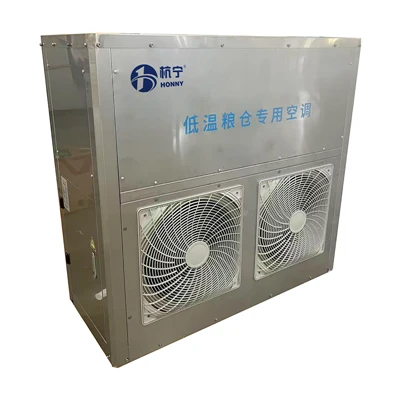
As a supplier of heat pump water heaters, I’ve witnessed firsthand the growing interest in ground – source heat pump water heaters, and for good reason. They are energy – efficient, environmentally friendly, and can provide a reliable source of hot water. In this blog, I’ll explain the inner workings of these remarkable devices. Heat Pump Water Heater
The Basics of Heat Pump Technology
Before delving into ground – source heat pump water heaters specifically, it’s essential to understand the fundamental concept of heat pumps. A heat pump is a device that transfers heat from one place to another, rather than generating heat directly. It operates on the principles of thermodynamics, using a small amount of energy to move heat from a low – temperature source to a high – temperature sink.
The key components of a heat pump system include an evaporator, a compressor, a condenser, and an expansion valve. These components work together in a continuous cycle to transfer heat.
Ground – Source Heat Pump Water Heaters: An Overview
A ground – source heat pump water heater, also known as a geothermal heat pump water heater, uses the relatively constant temperature of the ground as a heat source. Even in cold winter, the ground temperature below a certain depth remains relatively stable, usually between 45°F and 75°F (7°C and 24°C), depending on the geographical location.
This stable ground temperature makes it an ideal heat source for a heat pump water heater. By extracting heat from the ground, the water heater can provide hot water for residential or commercial use with much less energy consumption compared to traditional water heaters that rely on burning fossil fuels or using electric resistance heating.
The Operating Cycle of a Ground – Source Heat Pump Water Heater
1. The Evaporation Stage
The process begins in the evaporator, which is connected to a ground loop. The ground loop consists of a series of pipes buried underground, usually in a horizontal or vertical configuration. These pipes are filled with a heat – transfer fluid, typically a mixture of water and antifreeze.
As the heat – transfer fluid circulates through the ground loop, it absorbs heat from the surrounding soil. The relatively warm ground temperature causes the heat – transfer fluid to evaporate into a vapor state. The evaporator is designed to maximize the surface area for heat exchange, allowing the fluid to absorb as much heat as possible from the ground.
2. The Compression Stage
The low – pressure vapor from the evaporator then enters the compressor. The compressor is the "heart" of the heat pump system. It is an electrically driven device that compresses the vapor, increasing its pressure and temperature significantly.
By squeezing the gas molecules closer together, the compressor raises the internal energy of the vapor. This process changes the low – pressure, low – temperature vapor into a high – pressure, high – temperature vapor. The work done by the compressor requires a certain amount of electrical energy, but the amount of heat transferred is much greater than the energy consumed by the compressor, which is the key to the energy – efficiency of heat pumps.
3. The Condensation Stage
The high – pressure, high – temperature vapor then flows into the condenser, which is located inside the water heater tank. In the condenser, the hot vapor releases its heat to the water in the tank. As the vapor loses heat, it condenses back into a liquid state.
This heat transfer process warms the water in the tank, raising its temperature to the desired level for domestic use, such as showering, washing dishes, or doing laundry. The condenser is designed to have a large surface area in contact with the water to ensure efficient heat transfer.
4. The Expansion Stage
After the condensation process, the liquid refrigerant leaves the condenser and enters the expansion valve. The expansion valve is a narrow passage that restricts the flow of the liquid refrigerant. As the liquid passes through the expansion valve, its pressure drops suddenly.
This pressure reduction causes the liquid refrigerant to expand and evaporate again, returning to a low – pressure, low – temperature state. The refrigerant then flows back to the evaporator to repeat the cycle, extracting more heat from the ground.
Advantages of Ground – Source Heat Pump Water Heaters
Energy Efficiency
One of the most significant advantages of ground – source heat pump water heaters is their high energy efficiency. Since they extract heat from the ground, they require much less energy to heat the water compared to traditional water heaters. According to the U.S. Department of Energy, ground – source heat pump water heaters can be up to 60% more energy – efficient than conventional electric water heaters.
Environmental Friendliness
By using the ground as a heat source, these water heaters produce fewer greenhouse gas emissions. They do not rely on the combustion of fossil fuels, such as natural gas or oil, which are major contributors to climate change. Additionally, the heat – transfer fluid used in the ground loop is usually non – toxic and environmentally friendly.
Long – Term Cost Savings
Although the initial installation cost of a ground – source heat pump water heater may be higher than that of a traditional water heater, the long – term cost savings can be substantial. The lower energy consumption results in reduced utility bills over time, and the durability of the system means fewer replacement and maintenance costs.
Considerations for Installation
While ground – source heat pump water heaters offer many benefits, there are some factors to consider during the installation process.
The size and configuration of the ground loop are crucial. The length and depth of the ground loop pipes depend on factors such as the geographical location, the heating demand of the building, and the soil type. In general, colder climates may require a larger ground loop to extract sufficient heat from the ground.
The installation process also involves excavation and trenching, which can be disruptive and costly. However, in some cases, vertical ground loops can be installed in a smaller area, which may be more suitable for properties with limited space.
Maintenance and Troubleshooting
Proper maintenance is essential to ensure the optimal performance of a ground – source heat pump water heater. Regular maintenance tasks include checking the refrigerant levels, inspecting the ground loop for leaks, and cleaning the air filters and coils.
If any issues arise, such as a decrease in hot water production or unusual noises, it’s important to contact a qualified technician. Troubleshooting may involve diagnosing problems with the compressor, the expansion valve, or the ground loop.
Why Choose Our Heat Pump Water Heaters
At our company, we take pride in offering high – quality ground – source heat pump water heaters. Our products are designed with the latest technology to ensure maximum energy efficiency and reliability. We have a team of experienced engineers and technicians who can provide professional installation and after – sales service.
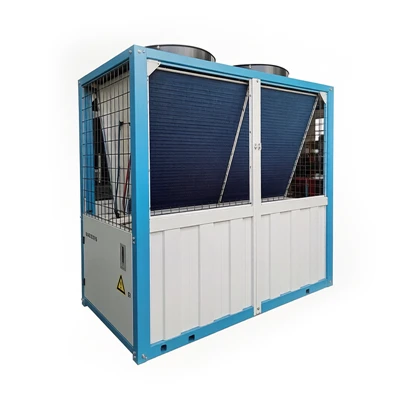
Whether you are a homeowner looking to upgrade your water heating system or a commercial property owner in need of a reliable hot water solution, our ground – source heat pump water heaters are a great choice. They can help you save energy, reduce your carbon footprint, and provide a consistent supply of hot water.
Commercial Water Heater If you are interested in learning more about our ground – source heat pump water heaters or discussing a potential purchase, please feel free to contact us. We are more than happy to engage in procurement discussions and find the best solution tailored to your needs.
References
- "Geothermal Heat Pumps." U.S. Department of Energy.
- "Ground – Source Heat Pump Systems: Design of Residential and Commercial Systems." ASHRAE (American Society of Heating, Refrigerating and Air – Conditioning Engineers).
- "Heat Pump Water Heaters."Consumer Reports.
Hangzhou Honny Heat Energy Technology Co., Ltd.
We are one of the most experienced heat pump water heater manufacturers and suppliers in China. With a professional production team, we are able to meet the needs of the majority of our customers. Please feel free to wholesale customized heat pump water heater from our factory. Also, quotation is available.
Address: Dingshan Village, Wenyan Subdistrict, Xiaoshan District, Hangzhou City, Zhejiang Province
E-mail: 524435406@qq.com
WebSite: https://www.hnrnkj.com/
