Hey there! As a supplier of Computerized Embroidery Machines, I often get asked about the differences between normal and reverse stitching. It might seem like a small detail, but it can make a huge difference in the final look of your embroidery projects. So, let’s dive right in and break it down. Computerized Embroidery Machine
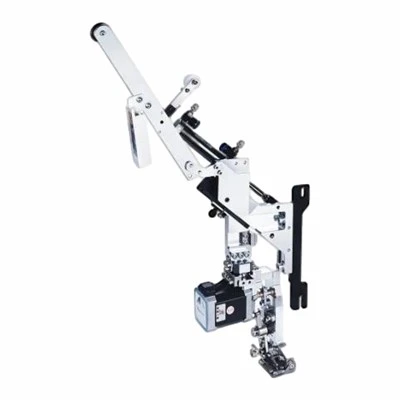
What’s Normal Stitching?
Normal stitching is, well, the standard way most embroiderers do their thing. When you use normal stitching on a Computerized Embroidery Machine, the stitches go in a pretty straightforward forward motion. It’s like walking forward in a straight line. The machine moves the needle up and down, and the fabric moves in one direction to create the stitches.
This type of stitching is super common because it’s easy to understand and use. It’s great for creating smooth, flowing lines and simple designs. You can stitch letters, basic shapes, or simple patterns with ease. For example, if you’re making a logo with clean lines, normal stitching will give you that crisp, professional look.
One of the big advantages of normal stitching is that it’s fast. The machine can zip through the design, laying down stitches quickly. This is perfect for large production runs where you need to get a lot of items embroidered in a short amount of time. Plus, it’s generally more energy – efficient since the machine doesn’t have to change directions as much.
Another benefit is that normal stitching is more forgiving when it comes to thread tension. Since the stitches are going in one direction, it’s easier to keep the tension consistent. This means you’re less likely to have issues with loose or tight stitches, which can make your embroidery look messy.
And Then There’s Reverse Stitching
Reverse stitching is the opposite of normal stitching. Instead of moving forward, the stitches go backward. It’s like taking a step back while walking. This might seem a bit odd at first, but it has its own unique uses.
One of the main reasons to use reverse stitching is to reinforce the beginning and end of a stitch line. When you start stitching a design, the first few stitches are often the weakest. By stitching in reverse for a few stitches at the start, you can lock the thread in place and prevent it from unraveling. The same goes for the end of the stitch line. A few reverse stitches can secure the thread and make sure your embroidery stays intact.
Reverse stitching is also great for creating certain effects. For example, if you want to add a bit of texture or a different look to your design, reverse stitching can do the trick. It can create a more jagged or rough appearance, which can be really cool for certain types of art or edgy designs.
However, reverse stitching is a bit slower than normal stitching. The machine has to change directions, which takes a bit of time. This means that if you’re doing a large – scale production project, you might want to use reverse stitching sparingly. Also, getting the thread tension right can be a bit trickier with reverse stitching. The backward motion can cause the thread to behave differently, so you might need to adjust your tension settings a bit.
Comparing the Two – Stitch Quality
When it comes to stitch quality, both normal and reverse stitching have their own strengths. Normal stitching usually gives you a smooth, clean look. The stitches are evenly spaced and flow nicely together. This is ideal for high – end, professional embroidery where you want a polished finish.
On the other hand, reverse stitching can add character to your work. The slightly uneven or textured look can make your embroidery stand out. It’s great for adding a handmade or rustic touch to your designs.
Design Considerations
Let’s talk about how these two types of stitching affect your design choices. If you’re working on a design with a lot of long, straight lines, normal stitching is probably your best bet. It will lay down those lines quickly and smoothly, giving you a neat appearance.
But if your design has tight corners or small details, reverse stitching can be really useful. You can use it to reinforce the stitching in those areas and make sure the design holds together. For example, if you’re embroidering a small logo with delicate curves, a bit of reverse stitching at the start and end of each curve can make a big difference in the overall durability of the design.
Production – Speed and Efficiency
We’ve touched on speed a bit already, but it’s worth discussing in more detail. If you’re running a business and need to produce a large number of embroidered items, normal stitching is going to be your go – to. It’s much faster and can help you get more done in less time.
However, if you’re working on a smaller, more customized project where quality and detail are the top priorities, a combination of normal and reverse stitching can be used. You can use normal stitching for the bulk of the design and then use reverse stitching to add those finishing touches.
Maintenance and Wear
It’s also important to think about how normal and reverse stitching can affect your Computerized Embroidery Machine. Since normal stitching involves the machine moving in a consistent forward motion, it generally puts less stress on the internal components. This means less wear and tear over time, which can save you money on maintenance and repairs.
Reverse stitching, on the other hand, requires the machine to change directions. This extra movement can put a bit more strain on the motor and other parts. So, if you do a lot of reverse stitching, you might need to keep a closer eye on the machine’s maintenance schedule.
Making the Right Choice
Deciding whether to use normal or reverse stitching really depends on your project. If you’re looking for speed, a clean look, and low – maintenance production, normal stitching is the way to go. But if you need to reinforce your stitches, add a unique texture, or work with small, detailed designs, reverse stitching can be a valuable tool.
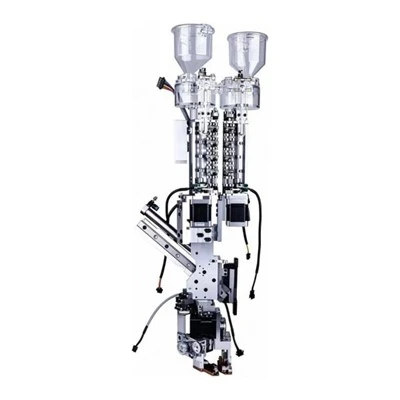
In some cases, using a combination of both is the best approach. You can use normal stitching for the main parts of your design and then switch to reverse stitching for the areas that need extra attention.
Let’s Chat!
Flat Embroidery Machine If you’re in the market for a Computerized Embroidery Machine and want to learn more about how it can handle both normal and reverse stitching, I’d love to talk to you! Whether you’re just starting out in the embroidery business or looking to upgrade your existing equipment, we’ve got the expertise to help you make the right choice. Don’t hesitate to reach out and let’s have a chat about your needs and how our machines can fit into your production process.
References
- "The Art of Machine Embroidery" by Jane Smith
- "Computerized Embroidery Machine Guide" by John Doe
Yiwu Kuhao Import and Export Co., Ltd.
As one of the most professional computerized embroidery machine manufacturers in China, our products have good reputation in the market. Welcome to buy discount computerized embroidery machine made in China here and get quotation from our factory. All customized products are with high quality and low price.
Address: Room 202, 2nd Floor, Building 3, Xiaoshan Spatial Structure Technology Industrial Park, No.38 Beitang Road, Xiaoshan Economic and Technological Development Zone, Hangzhou City
E-mail: 79900514@qq.com
WebSite: https://www.kuhaoembroidery.com/
