Hey there, folks! I’m a supplier of Visual Positioning Flatbed Printers, and today I want to chat about something that might not be on everyone’s radar but can have a huge impact on your printing business: dust and its effects on the visual positioning system (VPS) of a flatbed printer. Visual Positioning Flatbed Printer
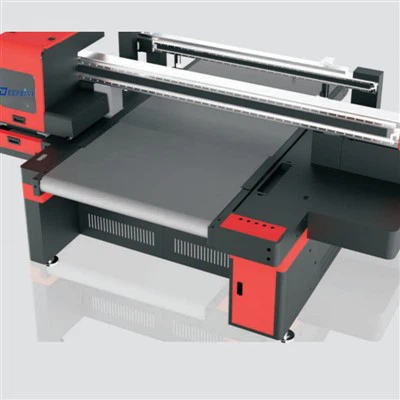
First off, let’s talk a bit about what a visual positioning system is. In a flatbed printer, the VPS is like the brain’s eyes. It uses cameras or sensors to precisely locate where the print head needs to go to lay down ink on the substrate. This is super important for getting high – quality, accurate prints, especially when you’re dealing with detailed designs or multiple colors.
Now, dust is everywhere. It’s in the air we breathe, on the surfaces of our workspaces, and unfortunately, it can find its way into our printers. So, what happens when dust gets involved with the VPS?
1. Reduced Image Clarity
The cameras or sensors in a VPS rely on clear images to accurately detect the position of the substrate. When dust particles settle on the lens of the camera or the surface of the sensor, it’s like looking through a dirty window. The images become blurry, and the system has a hard time distinguishing the fine details it needs to determine the correct position.
For example, if you’re printing a small logo with intricate lines, the VPS might misinterpret the position of the lines because of the dust – obscured image. This can lead to the print head not aligning correctly, causing the logo to be printed off – center or with distorted lines. And let’s face it, a customer isn’t going to be happy with a wonky logo on their product.
2. False Readings
Dust can also cause the VPS to give false readings. Sometimes, a dust particle might look like a part of the substrate’s pattern or a marker that the VPS is supposed to detect. When this happens, the system might think it’s in a different position than it actually is.
Imagine you’re printing a series of labels with a barcode. The VPS is set to align the barcode properly. But if there’s a dust speck that the system mistakes for a part of the barcode pattern, it could shift the print head to the wrong position. This means the barcode might not scan correctly, which is a huge problem if the labels are for products that need to be tracked in a retail or inventory system.
3. Sensor Malfunction
Over time, a build – up of dust can cause more serious problems with the sensors in the VPS. Dust can clog the tiny openings or components of the sensors, preventing them from functioning properly. This could lead to the sensors not being able to detect light or changes in color accurately.
If the sensors can’t do their job, the VPS won’t be able to provide the correct positioning information to the printer. And when that happens, you’re looking at a whole host of issues, from misaligned prints to the printer not being able to print at all.
4. Increased Maintenance and Downtime
When dust causes problems with the VPS, it often means more maintenance is required. You’ll need to clean the cameras, sensors, and other components of the VPS more frequently. This takes time and effort, and it also means your printer is out of commission for longer periods.
For a business that relies on high – volume printing, downtime can be a real killer. Every hour your printer isn’t running means lost production time and potentially lost revenue. And let’s not forget about the cost of maintenance. Cleaning and servicing the VPS can add up over time, eating into your profit margins.
So, what can you do to minimize the impact of dust?
- Keep your workspace clean: Regularly dust and vacuum your printing area. Use air filters to reduce the amount of dust in the air. A clean environment goes a long way in preventing dust from getting into your printer.
- Invest in protective covers: There are covers available for flatbed printers that can help keep dust out when the printer isn’t in use. These covers can be a simple and cost – effective way to protect your investment.
- Schedule regular maintenance: Make sure to clean and calibrate the VPS on a regular basis. This will help catch any dust – related issues early on and keep your printer running smoothly.
At [We can assume brand of the printers here], we understand the importance of a reliable visual positioning system. That’s why our Visual Positioning Flatbed Printers are designed to be as dust – resistant as possible. We use high – quality components and advanced technology to minimize the impact of dust on the VPS. But even with the best – designed printers, it’s still important to take steps to keep dust at bay.

If you’re in the market for a new flatbed printer or you’re looking to upgrade your existing one, we’d love to chat with you. Our team of experts can help you find the perfect printer for your needs and answer any questions you might have about dust management and the VPS. Contact us today to start a conversation about taking your printing business to the next level.
Bottle Printing Machine References
- "Printers and Peripherals: A Technical Guide" by some printer tech expert – A great resource for understanding the inner workings of printers, including the VPS.
- Industry reports from well – known printing industry research firms – These reports often have data on the common issues faced by flatbed printer users, including dust – related problems.
Shenzhen Deeprint Technology Co., Ltd.
As one of the most professional visual positioning flatbed printer manufacturers and suppliers in China, we’re featured by quality products and good service. Please rest assured to buy customized visual positioning flatbed printer made in China here from our factory. Contact us for free sample.
Address: 6-1, Huangwu Road, Tongle Community, Baolong Street, Longgang District, Shenzhen City 518100,China.
E-mail: ellen@uvdprint.com
WebSite: https://www.uvd-print.com/
