Hey there! I’m a supplier of fixed luminaires, and today I wanna chat about how different types of these bad boys differ in light output. It’s a topic that’s super important whether you’re an interior designer looking to create the perfect ambiance or a business owner aiming to optimize your workspace lighting. Fixed Luminaires
Let’s start with the basics. Fixed luminaires are those lighting fixtures that are permanently installed in a place. They come in all shapes and sizes, and each type has its own unique way of spitting out light.
Recessed Luminaires
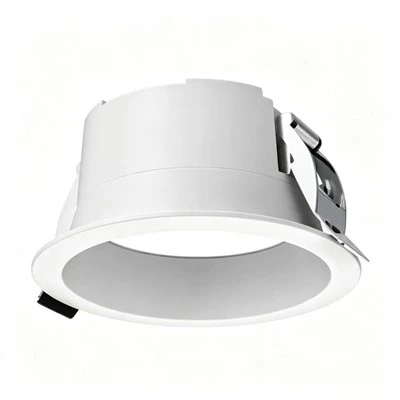
Recessed luminaires, also known as can lights or downlights, are pretty popular. They’re installed into a hollow opening in the ceiling, and they give off a focused beam of light. The light output of recessed luminaires can vary a lot depending on a few factors.
First off, the size of the fixture matters. A larger recessed luminaire can usually hold a more powerful bulb, which means more light output. But it’s not just about the bulb. The reflector inside the fixture also plays a big role. A good reflector can direct the light downwards more efficiently, making the light seem brighter in the area it’s aimed at.
These bad boys are great for general lighting in a room. They can create a soft, even glow when you have multiple fixtures installed in a grid pattern. But if you only have a few, they can be used to highlight specific areas, like a piece of art on the wall or a kitchen countertop.
Surface-Mounted Luminaires
Surface-mounted luminaires are directly attached to a ceiling or wall. They don’t require any special housing to be installed, which makes them a super easy option.
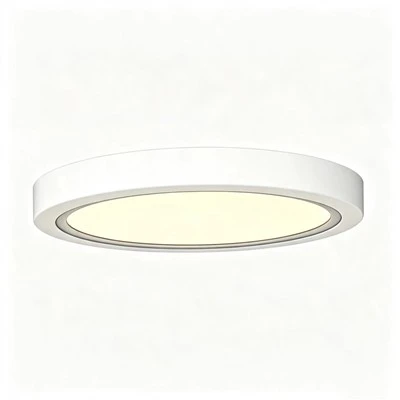
The light output of surface-mounted luminaires can be more spread out compared to recessed ones. Since they’re mounted on the surface, the light has fewer obstructions, and it can bounce off the walls and ceiling more easily. This creates a more diffused lighting effect.
One thing I’ve noticed is that the design of the fixture affects the light output a ton. For example, a flat, circular surface-mounted luminaire might give off a more uniform light compared to a pendant-style surface mount that has a shade. The shade can direct the light in a certain direction, so you might end up with a more focused beam.
These are great for rooms where you need a lot of general lighting, like living rooms or offices. They’re also easy to replace or upgrade, so if you ever wanna change the look or the light output, it’s a breeze.
Track Lighting
Track lighting is one of my favorites. It consists of a track that’s mounted on the ceiling or wall, and you can attach different light heads to it. The beauty of track lighting is that it’s super flexible. You can move the light heads around and aim them wherever you want.
The light output of track lighting can vary depending on the type of light heads you use. Some light heads are designed to give off a wide, flood-like beam, while others are more focused, like a spotlight. You can mix and match different light heads to create a custom lighting design.
Another factor that affects the light output is the number of light heads on the track. The more light heads you have, the more overall light you’ll get. But you also gotta make sure you don’t overload the track with too many high-wattage bulbs.
Track lighting is perfect for highlighting specific areas in a room, like display shelves or a dining area. It can also be used to create a dynamic lighting effect that changes the mood of the room.
Wall Sconces
Wall sconces are fixtures that are mounted on the wall. They usually give off a softer, more ambient light compared to other types of fixed luminaires.
The light output of wall sconces depends on their design and the type of bulb they use. Some wall sconces have a shade that directs the light upwards, creating a warm, indirect glow. Others might have a clear glass or plastic cover that allows the light to shine out more evenly.
Wall sconces are great for creating a cozy atmosphere in a room. They can be used in hallways, bedrooms, or even bathrooms. They’re also a good option for adding a bit of decorative flair to a space.
Factors Affecting Light Output
Apart from the type of fixture, there are other factors that can affect the light output of fixed luminaires.
Bulb Type: Different types of bulbs have different light outputs. For example, LED bulbs are known for being energy – efficient and having a high light output. Incandescent bulbs, on the other hand, tend to be less efficient and have a warmer, softer light.
Color Temperature: This is measured in Kelvins (K). A lower color temperature (around 2700K – 3000K) gives off a warm, yellowish light, while a higher color temperature (around 5000K – 6500K) gives off a cooler, bluish – white light. The color temperature can affect how bright the light seems to our eyes.
Luminaire Efficiency: This refers to how well the fixture can convert electrical energy into visible light. A more efficient luminaire will have a higher light output with less energy consumption.
Why Understanding Light Output Matters
Knowing how different types of fixed luminaires differ in light output is crucial for a few reasons.
For one, it helps you choose the right lighting for your space. If you have a small room, you might not need a super bright, high-output fixture. Instead, a softer, more diffused light might be better to create a cozy atmosphere.
It also affects energy consumption. By choosing a luminaire with the right light output for your needs, you can save on energy bills. For example, if you only need a little bit of light in a hallway, there’s no point in using a high – wattage fixture.
Conclusion
So, there you have it! Different types of fixed luminaires each have their own unique way of generating and distributing light. Whether it’s the focused beam of recessed luminaires, the diffused light of surface – mounted ones, the flexibility of track lighting, or the cozy glow of wall sconces, each type has its place in creating the perfect lighting setup.
LED Ceiling Light If you’re in the market for fixed luminaires and wanna learn more about how to choose the right ones for your space, I’d love to chat. I’ve got a wide range of fixtures with different light outputs, and I can help you find the perfect match. Just reach out, and we can start a conversation about your lighting needs.
References
- Lighting Handbook: Reference and Application, 10th Edition
- IESNA Lighting Library Publications
- Various manufacturers’ technical specifications and catalogs
Debesen (Shanghai) Optoelectronics Technology Co., Ltd.
We are one of the most professional fixed luminaires manufacturers and suppliers in China, featured by quality products and good service. Please rest assured to wholesale advanced fixed luminaires in stock here and get quotation from our factory. We also accept customized orders.
Address: No.258 Xiucheng Road, Fengcheng Town Economic Development Zone, Fengxian District, Shanghai
E-mail: Debesen258wendy@163.com
WebSite: https://www.debesen.com/
