Noise is an inevitable by – product of precision mould manufacturing processes. As a precision mould supplier, we are well – aware of the potential impacts of noise, not only on the well – being and productivity of our workers but also on the overall quality of our operations. In this blog, we will explore the various noise – reduction measures we implement in our precision mould manufacturing. Precision Mould

Understanding the Sources of Noise in Precision Mould Manufacturing
Before delving into the noise – reduction measures, it’s crucial to identify the primary sources of noise in precision mould manufacturing. These sources can be grouped into several categories, each with its own unique characteristics.
- Machining Operations: Processes such as milling, turning, and grinding involve the high – speed rotation of cutting tools and the removal of material from the workpiece. These operations generate a significant amount of noise due to the friction between the tool and the material, as well as the vibrations caused by the cutting forces.
- Presses and Stamping Machines: In the manufacturing of precision moulds, presses and stamping machines are used to shape and form metal components. These machines operate with high – pressure forces, and the impact of the ram on the workpiece can produce loud noise.
- Cooling and Ventilation Systems: To maintain the proper temperature of the machinery and the working environment, cooling and ventilation systems are essential. However, the fans and pumps in these systems can generate a continuous background noise, especially when they are operating at high speeds.
Engineering Controls for Noise Reduction
Engineering controls are the first line of defense in reducing noise in precision mould manufacturing. These measures aim to eliminate or reduce the noise at its source.
- Machine Isolation: One of the most effective ways to reduce noise is to isolate the machinery from the surrounding environment. We use vibration – isolating mounts for our machining centers, presses, and other equipment. These mounts can absorb and dampen the vibrations generated by the machines, preventing them from being transmitted to the floor and other structures. This not only reduces the noise level but also helps to improve the stability and accuracy of the machines.
- Tool Optimization: Selecting the right cutting tools and optimizing their geometry can significantly reduce noise during machining operations. We work closely with tool manufacturers to choose high – quality tools that are designed to minimize vibration and friction. Additionally, we regularly maintain and replace our cutting tools to ensure that they are in optimal condition. Dull or worn – out tools tend to produce more noise and can also affect the quality of the machining.
- Enclosures and Barriers: For noisy equipment such as presses and stamping machines, we install enclosures and barriers. These enclosures are made of sound – absorbing materials that can reduce the propagation of noise. The enclosures are designed to be airtight as much as possible to prevent noise leakage, while still allowing for proper ventilation and access to the machine for maintenance and operation.
Administrative Controls and Work Practices
In addition to engineering controls, administrative controls and work practices also play an important role in noise reduction.
- Work Scheduling: By carefully scheduling work activities, we can avoid having multiple noisy machines operating simultaneously. This helps to reduce the overall noise level in the workplace. For example, we stagger the operation of our machining centers and presses so that the peak noise levels are spread out over the day.
- Employee Training: We provide extensive training to our employees on the importance of noise reduction and the proper use of personal protective equipment (PPE). Our workers are trained to recognize the potential noise hazards in their work areas and are taught how to operate the machinery in a way that minimizes noise generation. They are also educated on the correct maintenance procedures for the equipment, as well – maintained machines tend to be quieter.
- Regular Equipment Maintenance: Regular maintenance of the machinery is essential for noise reduction. By keeping the machines in good working condition, we can prevent excessive wear and tear, which often leads to increased noise. Our maintenance team conducts routine inspections, lubrication, and calibration of the equipment to ensure that it is operating smoothly and quietly.
Personal Protective Equipment (PPE)
While engineering and administrative controls are the preferred methods for noise reduction, PPE still serves as an important last line of defense.
- Hearing Protection: We provide our employees with high – quality hearing protection devices, such as earplugs and earmuffs. These devices are designed to reduce the amount of noise reaching the ears. We ensure that the employees are properly fitted with the hearing protection and are trained on how to use and maintain them.
- Noise – Canceling Headphones: In some cases, where employees need to communicate while working in noisy environments, we provide noise – canceling headphones. These headphones can actively reduce the background noise, allowing for clear communication and also protecting the employees’ hearing.
Monitoring and Evaluation
To ensure the effectiveness of our noise – reduction measures, we regularly monitor and evaluate the noise levels in our manufacturing facilities.
- Noise Surveys: We conduct noise surveys on a regular basis to measure the noise levels at different workstations and in various areas of the factory. These surveys help us to identify any areas where the noise levels exceed the acceptable limits and to take appropriate corrective actions.
- Employee Feedback: We also encourage our employees to provide feedback on the noise levels and the effectiveness of the noise – reduction measures. Their on – the – ground experience can provide valuable insights into areas that may need improvement. Based on the feedback and the results of the noise surveys, we continuously review and update our noise – reduction strategies.
Benefits of Noise Reduction in Precision Mould Manufacturing
Implementing effective noise – reduction measures brings numerous benefits to our precision mould manufacturing operations.
- Improved Employee Health and Well – being: Reducing noise levels in the workplace helps to protect our employees’ hearing and reduces the risk of noise – induced hearing loss. It also creates a more comfortable and less stressful working environment, which can improve employee morale and productivity.
- Enhanced Product Quality: Excessive noise can be an indicator of problems with the machinery, such as tool wear or misalignment. By reducing noise, we can identify and address these issues early, which helps to maintain the accuracy and consistency of our precision moulds, resulting in higher – quality products.
- Compliance with Regulations: Many countries and regions have strict regulations regarding workplace noise levels. By implementing effective noise – reduction measures, we ensure that our operations comply with these regulations, avoiding potential legal issues and fines.
Encouraging Procurement and Collaboration
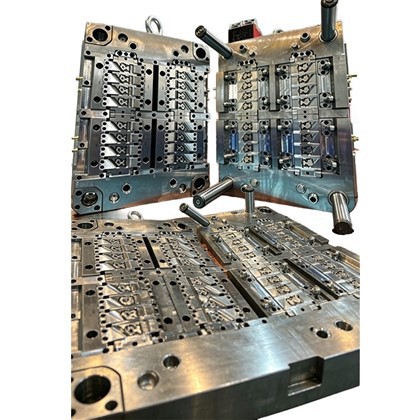
As a precision mould supplier, we are committed to providing high – quality products and maintaining a safe and efficient manufacturing environment. Our comprehensive noise – reduction measures not only protect the well – being of our employees but also contribute to the overall quality of our precision moulds.
Medical Device Accessories If you are in the market for precision moulds, we invite you to contact us for a procurement discussion. We have a team of experienced professionals who can work with you to understand your specific requirements and provide tailored solutions. Our state – of – the – art manufacturing facilities, combined with our focus on noise reduction and quality control, make us a reliable partner for your precision mould needs. Reach out to us, and let’s start a conversation about how we can meet your manufacturing challenges.
References
- "Industrial Noise Control and Acoustics" by Clarence W. Hildebrand.
- "Occupational Noise Exposure: A Guide to Safety and Health" by the National Institute for Occupational Safety and Health (NIOSH).
- Various industry – specific research papers on noise reduction in manufacturing processes.
Modelon Precision Industry (Suzhou) Co., Ltd.
With abundant experience, we are one of the most professional precision mould manufacturers and suppliers in China. Welcome to buy customized precision mould at competitive price from our factory. If you have any enquiry about pricelist, please feel free to email us.
Address: 1st Floor, Building 22, No. 2628 North Gate Road, Kunshan City, Jiangsu Province, P.R.China
E-mail: jessica_huang2025@163.com
WebSite: https://www.modeloncn.com/
